Climate change is a reality that impacts our daily lives and is no longer a hypothetical threat.Extreme weather events, erratic rainfall, and rising temperatures are all consequences of global climate warming that are transforming how we live and build. Making investments to make homes climate-resilient is now one of the best choices for buyers and homeowners.
Whether you already own a home or are exploring properties in Bangalore, designing with resilience in mind ensures that your investment remains safe, comfortable, and energy-efficient in the years ahead. In this blog, we’ll explore practical ways to future-proof your property with a focus on energy conservation, sustainable energy, and smart home practices.
Why Climate-Resilient Homes Matter
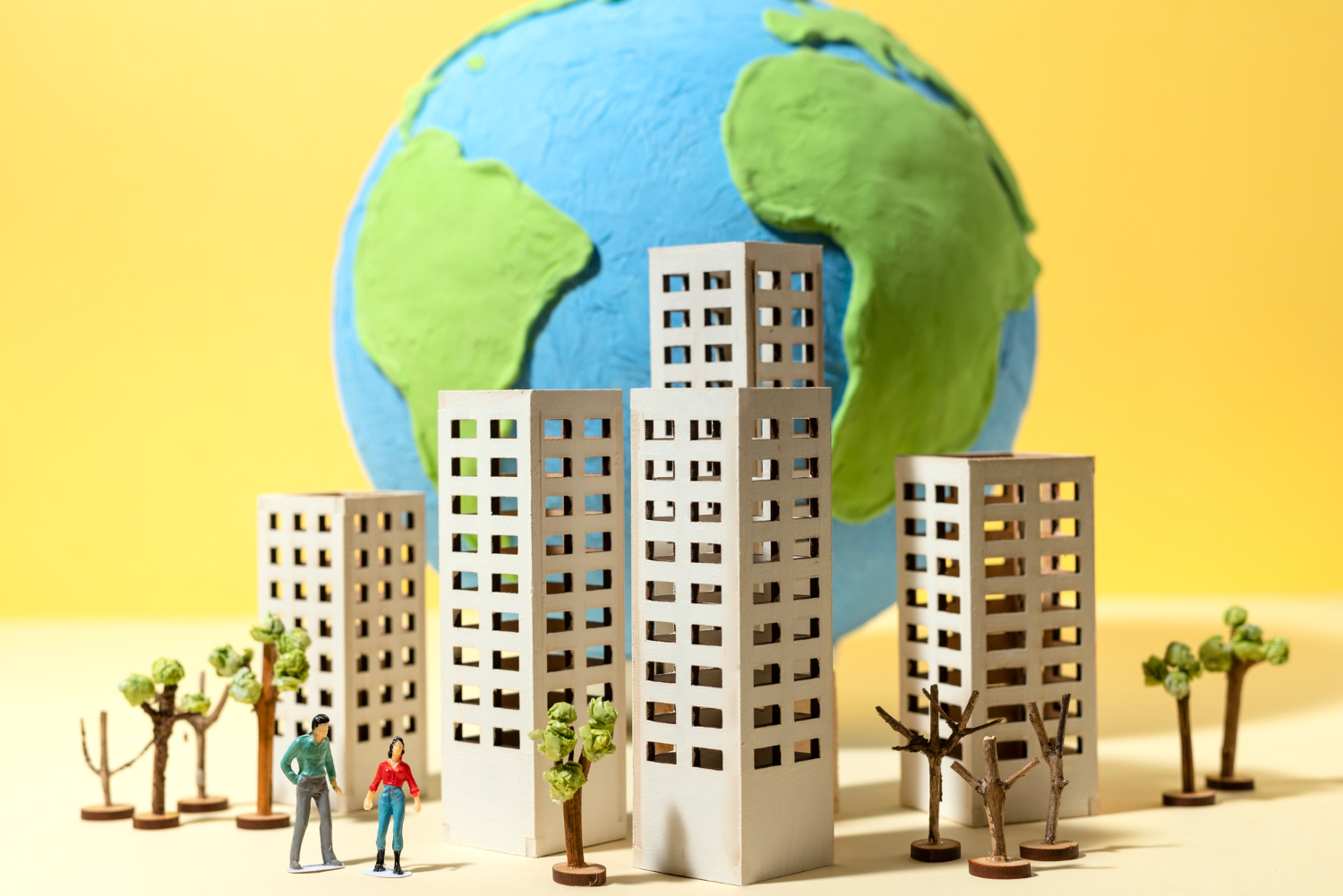
Homes are long-term assets that are more than just places to live. Traditional construction and design techniques are insufficient in consideration of climate change‘s effects on rainfall patterns, heat waves, and energy resources.
A climate-resilient home:
- Reduces vulnerability to extreme weather.
- Uses energy and resources efficiently.
- Ensures lower operational costs through energy conservation.
- Increases long-term property value.
For example, properties in Bangalore are increasingly designed with green building principles to cope with rising temperatures, water scarcity, and urban heat islands. Buyers now look for homes that align with sustainable living while ensuring comfort and durability.
Step 1: Build with Sustainable Materials
The first step in resilience begins with eco-friendly construction materials. Builders are increasingly using fly ash bricks, recycled steel, bamboo composites, and locally available stone in place of traditional cement and steel-heavy constructions.
- Why this matters: Sustainable materials reduce the carbon footprint and withstand changing weather conditions better.
- In Bangalore: Many new residential projects focus on green-certified designs that balance comfort with ecological responsibility.
Step 2: Design for Energy Conservation
With global climate warming, cooling and heating requirements will only increase. Instead of relying solely on air conditioners and heaters, smart design can minimize energy use.
- Natural Ventilation: Positioning windows for cross-ventilation reduces indoor heat buildup.
- Insulation: Proper roof and wall insulation lowers cooling costs.
- Daylighting: Large windows and skylights reduce dependence on artificial lighting.
By focusing on energy conservation, you save on bills and lower your home’s overall energy demand.
Step 3: Switch to Sustainable Energy
One of the most effective ways to future-proof your property is by adopting sustainable energy solutions.
- Solar Panels: Bangalore enjoys plenty of sunshine, making solar energy a smart investment. Rooftop solar systems can power your home while reducing reliance on fossil fuels.
- Solar Water Heaters: A cost-effective step towards cutting down electricity usage.
- Battery Storage: Ensures energy availability even during power cuts or peak demand hours.
Government incentives and net metering policies make solar adoption easier for homeowners across India, including those exploring properties in Bangalore.
Step 4: Water Conservation and Recycling
Water scarcity is a pressing concern in urban India, and climate change is worsening it. A resilient home incorporates water management systems such as:
- Rainwater Harvesting: Capturing and reusing rainwater for domestic use.
- Greywater Recycling: Treating and reusing water from sinks, showers, and laundry.
- Low-Flow Fixtures: Reducing daily water consumption.
These practices are now mandatory in many residential projects in Bangalore, reflecting the city’s need to balance development with resource conservation.
Step 5: Smart Landscaping for Climate Adaptation
The outdoor environment around your home also plays a role in resilience. Landscaping can act as a buffer against rising heat and flooding risks.
- Native Plants: They require less water and adapt better to local climate conditions.
- Green Roofs & Vertical Gardens: These cool the home, reduce heat absorption, and support biodiversity.
- Permeable Surfaces: Prevent flooding by allowing rainwater to seep into the ground instead of creating runoff.
For urban properties, integrating greenery also improves air quality and reduces the urban heat island effect.
Step 6: Incorporate Smart Home Technology
Future-ready homes are also smart homes. Automation and technology help in energy conservation and resource efficiency.
- Smart Thermostats: Optimize heating and cooling based on occupancy.
- Energy Monitoring Systems: Track consumption and highlight areas of waste.
- Automated Lighting: Switches off lights when not in use, saving electricity.
These small upgrades can make a huge difference in combating the rising effects of global climate warming.
Step 7: Location Matters – Choose Properties in Climate-Ready Areas
While construction and design are important, the location of your property plays a big role in its resilience. In cities like Bangalore, certain areas are more prone to waterlogging or traffic-related pollution, while others benefit from better urban planning and infrastructure.
When exploring properties in Bangalore, look for:
- Good drainage and flood-resistant layouts.
- Adequate greenery and open spaces.
- Proximity to sustainable infrastructure like metro stations and EV charging points.
Step 8: Financial Benefits of Climate-Resilient Homes
Beyond sustainability, climate-proofing your home also has tangible financial benefits:
- Higher Resale Value: Eco-conscious buyers prefer homes with energy-efficient and sustainable features.
- Lower Utility Bills: Through energy conservation and renewable energy.
- Government Incentives: Tax benefits and subsidies for solar, rainwater harvesting, and green buildings.
- Reduced Maintenance Costs: Durable, climate-friendly materials last longer.
The Future of Properties in Bangalore
As one of India’s fastest-growing cities, Bangalore faces unique challenges: rapid urbanization, traffic congestion, and water scarcity. But it is also leading the way in sustainable housing. Many developers are now designing with climate change in mind, offering:
- IGBC and LEED-certified projects.
- Solar-powered apartments.
- Wastewater recycling systems.
- Energy-efficient designs for long-term comfort.
For buyers, this means that investing in properties in Bangalore today can secure not just a home but a sustainable future.
Final Thoughts
Making your home climate-resilient is no longer optional—it’s essential. From sustainable energy solutions to energy conservation techniques, from smart water management to eco-friendly construction, every step contributes to a safer and more efficient living environment.
As global climate warming continues to reshape our world, future-proofing your property ensures peace of mind, cost savings, and long-term value. Whether you’re building, renovating, or buying properties in Bangalore, now is the time to integrate resilience into your decision-making.
At FourQuarters, we believe homes should be more than shelters—they should be sustainable sanctuaries built for the future. By choosing wisely today, you’re not just securing your property—you’re protecting generations to come.